June 14, 2026 — SpotLightHate Team
Muslim Street Hawker Murdered in Bengal
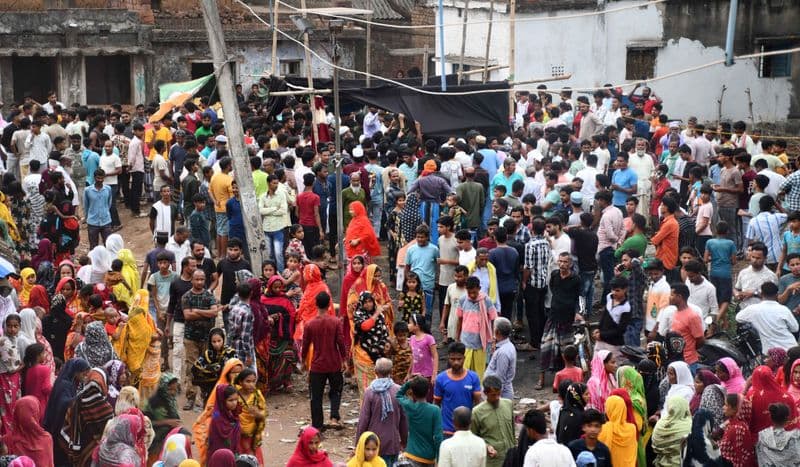
Purulia, West Bengal, India — 2026-06-09
In an incident that has amplified fears of communal violence in West Bengal, a Muslim street hawker, Akbar Mondal, was murdered on June 9 in Purulia district. His family claims that the killing was fueled by an escalating atmosphere of anti-Muslim hatred in the region, even as police downplay the role of religious animosity.
“It is because of this climate of fear that my father was murdered,” said Zulfikar.
A Brutal Incident
Akbar Mondal, a 47-year-old street hawker, was allegedly hacked to death with an axe inside a house in the Purulia district by Biswanath Mahato, who has since been arrested. The police have described the incident as possibly stemming from a personal quarrel, although the specific circumstances remain under investigation. Superintendent of Police Vaibhab Tewari has stated that currently, there is no evidence connecting the murder to communal hatred.
Mondal's son, Zulfikar, has strongly contested this view, linking the murder to the growing climate of fear that Muslims in the area have been experiencing. "It is because of this climate of fear that my father was murdered," Zulfikar told reporters, reflecting a sentiment that resonates among many residents in areas immersed in communal tension.
Community and Family Reactions
The death of Akbar Mondal has reverberated through his home village in the Bankura district, where the emotional toll on the family and Muslim community speaks to broader anxieties. Many residents are recalling similar incidents of intimidation and violence, heightening their fears.
Elder villagers recall that they have been hawking in these areas for years without issue until recent political shifts increased hostility towards Muslims. These accounts underscore feelings of precariousness among the working-class, who fear that they are becoming targets in a political environment where religious identity is increasingly fraught with risk.
Political Atmosphere
The BJP's ascension in West Bengal has coincided with initiatives and narratives that some allege have exacerbated communal divides. Allegations of forced participation in religious chants and threats to livelihoods reflect a broader political strategy that critics argue aims to consolidate the Hindu vote through polarisation.
This political backdrop is compounded by other incidents in West Bengal, where the BJP-led government's policy measures, such as the controversial 'detect, delete, and deport' drive targeting Muslim migrants, have solidified fears among minority communities. The deportation efforts, particularly focusing on undocumented Muslims from Bangladesh, have been criticized for potentially deepening religious tensions in a region already marked by historical communal sensitivities.
Historical and Regional Context
Jangalmahal, the area encompassing Purulia and its neighboring districts, has a history of violent unrest, previously marked by Maoist insurgency. The ongoing communal tension adds a new layer to its socio-political challenges. As political narratives evolve, the foundational issues of livelihood and security persist unresolved, leaving room for extremist ideologies to take root.
The recent murder and subsequent community grief and fear are emblematic of broader patterns where economic and social threats converge, cultivating fertile ground for communal animosity.